
Industry leaders discuss the lower bond threshold for LIHTC deals.
A major change is on the horizon for affordable housing development as key provisions of the One Big Beautiful Bill begin to take effect. Among the most significant reforms is the permanent reduction of the bond financing threshold for 4% low-income housing tax credit (LIHTC) projects, slated to begin next year.
The reduction was a long-sought change by affordable housing advocates. The recent legislation also provides a permanent 12% housing credit increase, beginning in 2026.
“The lower bond test and the increased amount of 9% credits is a generational, advocacy win for affordable housing,” says Stockton Williams, executive director of the National Council of State Housing Agencies (NCSHA).
Let’s focus on the change to the bond threshold.
What’s the Bond Test?
Generally, developers must compete to receive an allocation of limited 9% LIHTCs from a state housing finance agency to be able to claim the housing credits. However, there is an exception for qualified affordable housing buildings that are financed with tax-exempt bonds. For years, this rule has allowed developers to qualify for and claim credits for projects where 50% or more of the aggregate basis of the building and land is financed by tax-exempt bonds from the state’s volume cap.
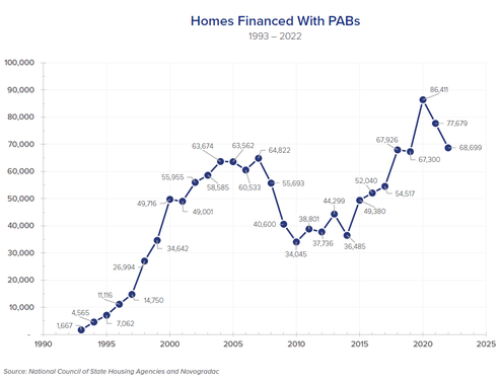
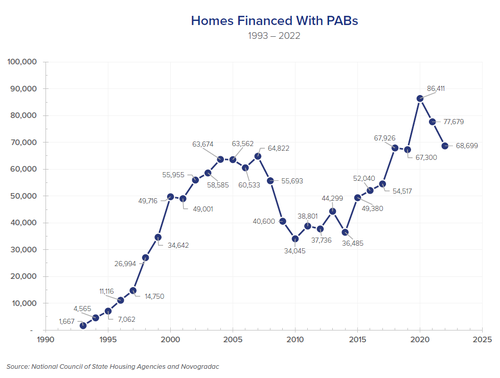
Under the recent legislation, this 50% test has been lowered to 25% for properties placed in service after Dec. 31, 2025. Affordable housing supporters had argued that the 50% threshold was too high, making it difficult for many deals to qualify for the funding in states where demand for volume cap is strong. Lowering the test will mean that states can award volume cap to a greater number of developments, which will make it easier for more projects to access tax-exempt bonds and thus 4% LIHTCs.
It’s important to note that the new 25% threshold is a floor. States that do not face a volume cap shortage could continue to allocate volume cap to projects in an amount equal to or greater than what is needed to meet the threshold.
What About 2025 Deals?
A number of developers are working to close deals between now and the end of the year, so they’re asking about what the change may mean for them, says Beth Mullen, a partner and affordable housing industry leader at CohnReznick, a leading accounting and professional services firm.
“We know there are some states that are trying to accelerate the ability to use the 25% test, meaning they are exploring the possibility of issuing some 2025 bonds to a developer and then issuing some 2026 bonds, so the developer can meet a transition rule,” she says. “This is something to watch for this year.”
While the 25% test largely will be utilized for deals closing in 2026 or later, projects expected to close in 2025—or even those that have already closed but will not be placed in service until after Dec. 31—may have the ability to use the new, lower bond threshold with buy-in from financing partners and appropriate planning to comply with the rules set forth above, says Kent Neumann, founding member of the Tiber Hudson law firm with expertise in bond transactions.